[0:03] In talking with so many of my physical education colleagues from across the country. Many of us, including myself, have lots of questions and wonderings in terms of what the best methods are in holding our physical education students accountable during our virtual PE classes. Today, I’m going to share some of my thoughts with you on what has worked best for me and with my students.
[0:48] So when it comes to holding my physical education students accountable during my virtual PE setting and classes, there’s about four or five different things that I’m trying to currently tackle so that I’m feeling really good about my student products that I’m receiving. But also so I as the teacher feel really comfortable with how I’m holding my students accountable.
Enter and Exit Ticket Assessments
[1:12] So the first way that I’m holding my students accountable is I assign my students a daily do now for them at the beginning of each class after our warm-up activity. The daily do now form through the Google form that I assign them is usually one or two questions about whatever the daily objective is gonna be. So an example of that might be, “please read today’s objective and describe to me how you can take today’s learning and implement it in your life. Please give me one or two ways.” This at least shows me that the students have read the objective and they know what the learning for the day is gonna be. On the same note, I also give my students a daily exit ticket that is just one or two accumulating questions about what the learning for the day is and either how they implemented it or how they can use the learning later on in their life.
Google Slides + Pear Deck
So that’s kind of my beginning and ending accountability pieces on each lesson, but during my lesson, I’ve become a big fan of using a Google slide show and embedding my slide shows with the use of Pear Deck so that I can get live student feedback during my lessons and gain an understanding on which students are engaged, but also most importantly, which students either have a great understanding of the content or which students may be caught up a little bit. It also gives me feedback on if I either need a slowdown or re-explain a certain part of the assignment or a certain part of the curriculum that I’m trying to teach.
Weekly Activity Log with Reflection Questions
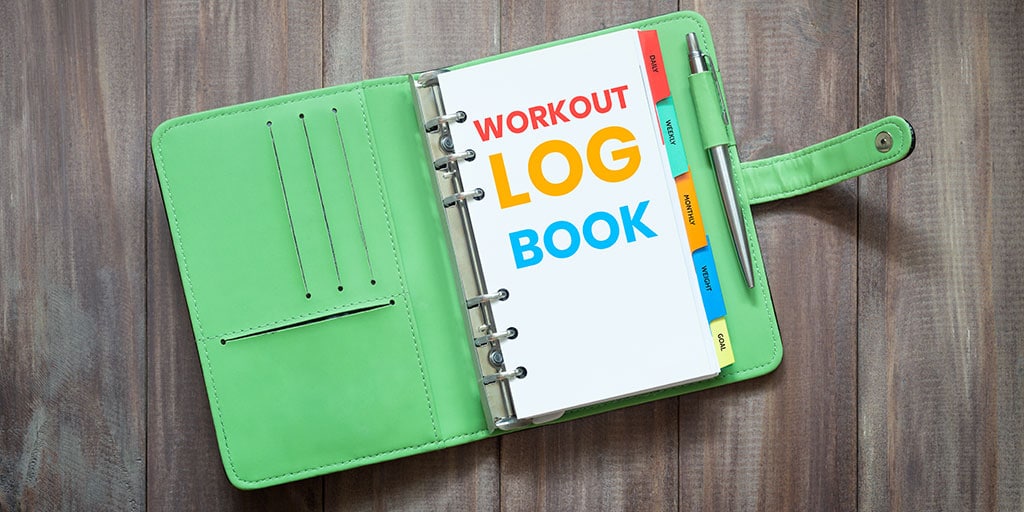
[3:05] Now in terms of the physical portions of my lessons, the two main things that I’m currently doing that will hold my students accountable is I have my students maintain and keep a weekly activity log to where they have to document all of their physical activity that they’re doing each day and each week. And then I want them to align that to the certain health components of fitness that they think they’re improving upon as they’re doing each activity. Now also at the end of each activity log are reflection questions that I want my students engaging in. So I see what the reflection is and what their current thoughts on the week we’re in terms of how they thought their activity went.
Heart Rate Monitors + Pedometers

[3:99] Last but not least, one of the main leverage tools that I’m using is the use of heart rate monitors through the use of the HTP home app. So through this app, my students are able to connect their heart rate monitors and they’re able to upload workouts to me at any time of the day and this gives me a great snapshot on which students are being active on their own time. And the cool thing about this app is if a student doesn’t have a heart rate monitor or let’s say the battery died. They can still upload a workout to me using the phone as a pedometer and the app will convert their step data and step per minute data in the MVPA minutes. So that’s very valuable feedback that I’m currently using and it gives me a great, um, thought process on which students I need to email, text, or give a phone call to about either a lack of being physically active or possibly increasing the intensity of their workouts.
]]>
[0:02] Right now, I know many of us are having a really hard time trying to put our lessons and thoughts together when it comes to creating and implementing our virtual or hybrid PE lessons. There are so many different ways on how we can all be teaching our content right now. So today I have a few thoughts and reasons on why I designed my lessons the way that I do.
Plan virtual lessons the same as normal lessons
[0:45] First and foremost, in terms of creating lessons and designing my lesson sequence the way that I do. My biggest reason behind my current lesson development is, I’m approaching my lesson design virtually as best as I can so that, it’s mocking what I normally do with my students in my gymnasium and when we’re 100% in-person in a non-pandemic setting.
Start with a warm-up
[1:14] So examples of this include all of my virtual lessons will always start with a warm-up or ignite activity where I will project a really unique fun physical activity and then during this process, I’ll have my students put on their heart rate monitors and connect them to the HDP home app and I’ll participate with my students just like I do in person. This warm-up ignites activity usually lasts about five or six minutes. And then afterward, I’ll have my students upload their workouts to me using the app and then hopefully by then I’ll explain to my students that I’m hoping they feel better, and I’ll explain to them the importance and why they should feel better behind the physical activity.
Fitness Component
[2:06] Also, just like in person during the warm-up, virtually my lesson sequences is also to teach the health components of fitness and give my students the why, behind each activity and everything that we do. So then just like in person, virtually after the warm-up, I’ll have my students enter their workouts and activities in their weekly activity logs so they can assess their Standard 5 abilities and self-monitoring their activity and valuing what they just did for the enjoyment and personal health.
Daily Objective
[2:42] After the ignite and warm-up activity, my virtual lessons also consists of a do now through the use of a Google Form or a Pear Deck slide that I just want to get my student’s current understanding of what the daily objective is. From the do now, I’ll always go over the daily objective and elaborate on it to make sure students understand what we’re doing, how we’re doing it, but most importantly, why we’re doing it.
Independent Work Time
[3:13] Then from there, just like we’re in the gymnasium, I’m gonna give my students independent work time just like I am using the gradual release model. Now virtually I’ve really found it beneficial to where I assign all of my students an individual breakout room, and the reason I do that is so students can click the ask for help button on the bottom, and that prompts me the teacher, to enter their breakout room so I can talk to them privately or answer any questions that they may have. I found this beneficial because a lot of my students don’t like opening up or asking questions with all of their other classmates live in their room. So this allows me, the teacher to connect with students more, one on one and individually, and also allows me to pop into each room to make sure students understand what they’re doing and are currently engaged.
Exit Ticket
[4:12] And then before I wrap up each one of my lessons, I’ll always have an exit ticket for my students to answer also through the use of a Google Form or a Pear Deck slide and usually my exit tickets are one or no more than two questions about whatever fitness topic we discussed or whatever health assignment they either worked on that day or for the week.
]]>
Right now, many of us are teaching physical education either in 100% virtual learning environment, or a hybrid environment. Due to this, I think it’s important to reflect and think about how we are offering choices for our students within our daily lessons and weekly curriculum. I’m going to share some of my strategies with you on how I allow for student choice within my lessons.
Student Choice Increases Engagement
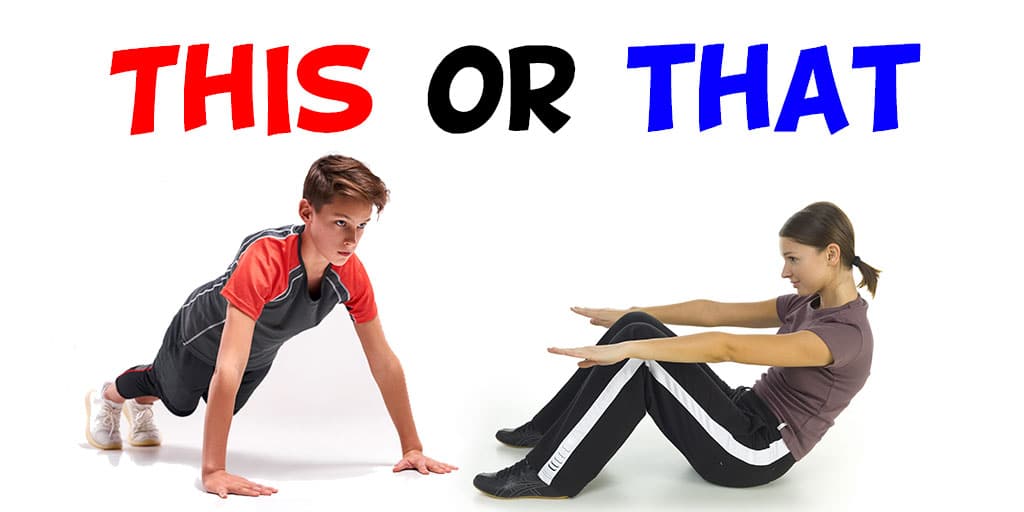
[0:56] First and foremost, in terms of allowing choice for my students in my lessons, I like to give my students many choices for the physical activities within a lesson that I want my students to engage in each day and each week. During the physical activity portion of my lessons, I like to give my students more than just one exercise to choose from and participate in during the activity. So activities such as a this or that warm-up or a slide with maybe five or six animated GIFs for them to choose is one way that’s really powerful for my students.
Offer Choices Between Health and PE
[1:33] Also, during the actual lesson, during the independent work time that I want my students to chew on the material and engage in the material that I just taught, explained, and presented to them, I always give my students the choice, whether they want to engage in the academic health curriculum work or if they wanna engage in physical activity that I assigned to them either through the Schoology platform or the Google classroom platform. And when my students decide to participate in the physical activity portion of the lesson rather than participating and engaging in their written curriculum, I always like my students to put on their heart rate monitor that I issued them while that’s connected to the HTP home app that I’m working closely with and that’s a line to accountability purposes, but it also gives me feedback from the teacher on not only what they’re doing, but how well they’re engaging with it.
Student Choice Activity Examples
[2:41] Also, in order to give student choice, I like to assign them health and wellness assignments that offer tons of student choice. So I like offering them activities that isn’t just one activity that they’re forced or obligated to participate in, but instead there will be assignments like a bingo assignment or certain activity logs that I want them to engage in. In that they can choose which health component that they may wanna practice and engage in or they may want to choose a certain social and emotional activity on their bingo board that they want to engage in versus, “Hey, students, this is the activity we’re gonna do today. Try your best to engage in it, and I hope you enjoy it.”
[3:28] So I think increasing engagement right now is super super important. And again, I think one of the main ways we can do that is by offering as much student choice as possible within our lessons, whether it’s through physical activity options, written academic work options, or options within a lesson like I described. Giving them the choice of wanting to conquer the written work or wanting them to engage in the physical activity. I think most importantly, is still having that expectation of students need to do both aspects of the lesson. Each day a written health curriculum portion and also the physical activity portion.
]]>